I’m an educator, speaker, and consultant with more than 30 years of experience across classrooms, special education, school leadership, coaching, and professional learning.
I help schools build more consistent, practical adult responses so educators respond with confidence, classrooms experience less preventable disruption, and more students stay connected to learning.
Rewire the Response™Practical adult responses for the moments that test a system.
Behavior systems fail when adult responses remain inconsistent.
•
The response changes what happens next.
The work behind the work
Knowing behavior and knowing how to respond under pressure are different capabilities.
I have spent more than three decades teaching, leading, coaching, and supporting students with varied learning and regulation needs. I know the research. I know the systems. I have sat in classrooms, IEP meetings, leadership meetings, and difficult conversations with families.
My own family made the gap impossible to ignore. Knowing a great deal about behavior does not automatically tell an adult what to do when a child is overwhelmed and the moment is unfolding in real time.
I am a neurodivergent adult and the parent of neurodivergent children. I have seen how quickly urgency, pressure, and conflicting advice can make a hard moment harder. Rewire the Response grew from the need for a practical way to examine what may be happening and choose a better next response.
What are we responding to, and what does this moment actually require from us?
One philosophy, two applications
Rewire the Response is the through-line.
It is the belief that better outcomes begin when adults examine their own response, understand the conditions around behavior, and make a more intentional next decision.
Schools & Districts
INSPECT
A shared method that helps school teams examine the conditions around shutdown, refusal, disconnection, and escalation before choosing a response.
Confident educators. Consistent responses. More students connected to learning.
These principles shape every keynote, staff training, consultation, and parent conversation without competing with the INSPECT or CALMER frameworks.
01
Decode Before You Decide
Look beneath visible behavior before choosing a response.
02
Regulate the Responder
Notice how adult tone, pace, urgency, and language enter the moment.
03
Match the Moment
Respond to the student’s current capacity, context, and likely barrier.
04
Build Capacity, Not Compliance
Strengthen regulation, communication, trust, and future functioning.
From the classroom to the conference stage
Built where decisions have to work in real time.
I’m still working alongside neurodivergent students and educators in classrooms where interruptions are constant, pressure is real, and the right response is not always obvious. That daily reality shapes what I bring to school teams.
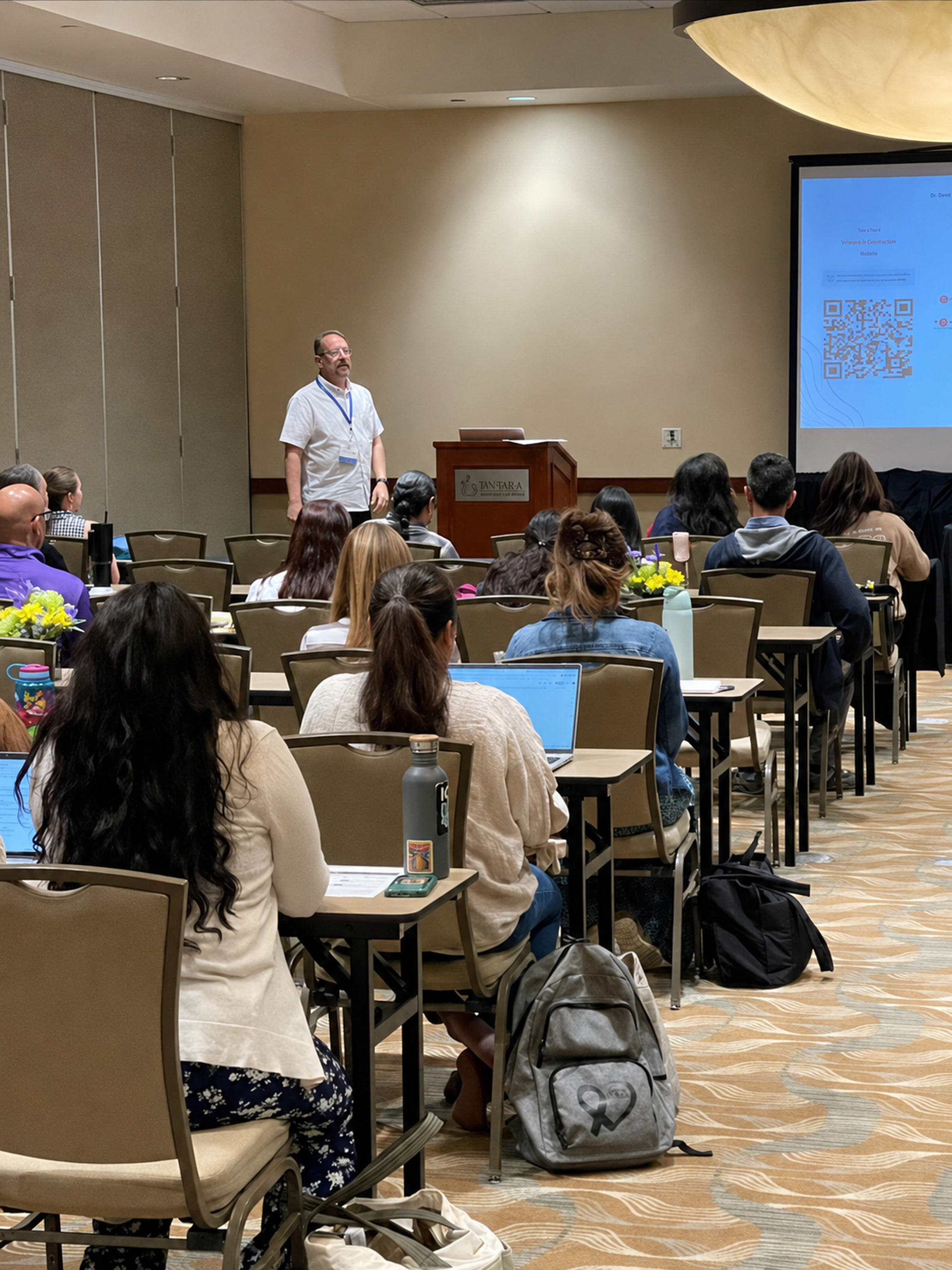
I have shared this work with educators and leaders through the ACSA Every Child Counts Symposium, Riverside County SELPA, the CTA Special Education Conference, and other professional learning settings.
Ed.D. in Curriculum & Instruction, Special Education30+ years in educationClassroom and school leadership experienceADHD-Certified EducatorCertified Trauma ProfessionalCertified Autism Informed Professional
Ideas matter. What adults can use in the next hard moment matters more.
What people experience
A guide who understands both the theory and the room.
The goal is not inspiration that disappears by Monday. It is a clearer way to interpret behavior and make practical decisions together.
“Dr. David is inspiring. This session got me to remember the importance of my response to behavior and how tuning into the child helps me find what is hard for the student right now.”
“He changed my classroom practice by helping me see the needs behind behavior, not just the behavior itself.”
“His insights changed how we understood our child and what we did in the moments that used to derail our whole family.”
Schools come first
Build a more consistent adult response across your team.
Bring Rewire the Response and INSPECT to your school, district, county office, SELPA, or conference.
Better systems begin with what adults do in the moment.
When adults examine the response, not only the behavior, educators gain confidence, teams become more consistent, and more students can stay connected to learning.